
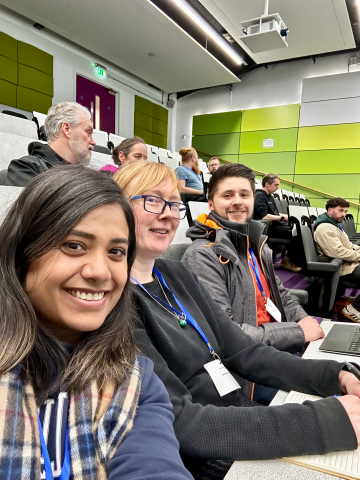
Last week, our team headed to the University of Salford in Manchester for DrupalCamp England 2026. It was a high-energy day of deep dives into the latest shifts in the Drupal ecosystem, from AI-driven editorial tools to core performance wins.
DrupalCamp England is a community-driven event that brings together developers, designers, and digital teams from across the UK to share insights, explore new technologies, and discuss best practices in Drupal development. Attending the event gave our team the opportunity to learn from industry experts, discover how Drupal is evolving with emerging technologies such as AI, and connect with the wider community while sharing ideas with other professionals working with Drupal.
What’s on our radar: AI and Automation
The event featured a full day of sessions covering a wide range of Drupal topics, from development and performance optimisation to UX and emerging technologies. It was a great opportunity to hear directly from contributors in the Drupal community about tools and approaches that could shape future projects.
Drupal AI & Drupal Canvas:
A major theme was the growing role of AI within Drupal. Sessions explored tools such as the Drupal AI module and Drupal Canvas, which can streamline content creation, automate workflows, and enhance editorial experiences.
The "Why AI?" talk:
A particularly insightful talk, “Why AI?”, emphasised that AI should augment humans rather than replace them. Human oversight remains essential in development and content creation, reinforcing the importance of using AI responsibly to improve efficiency while maintaining quality. These tools provide opportunities to support clients in creating smarter, more responsive websites without compromising control or security.
Design-to-code:
Design systems and component-based development were another focus, with UI Patterns helping teams maintain consistent, reusable components. The Figma Canvas AI UI Suite allows Drupal Canvas components to be generated automatically from Figma designs using GitHub Copilot. This workflow demonstrates AI-assisted design-to-code, which can save time, reduce errors, and enable experimentation with new ways of translating design into production-ready sites for clients.
Under the hood: performance and developer experience
For us, the technical sessions on performance were a highlight.
Automation:
We looked at new ways to importing PDFs into Drupal automatically. Large documents can be converted into structured Drupal content without manual effort, which is particularly useful for clients with large scale document libraries.
PHP Fibers and Partytown:
Performance was addressed as well, with Partytown helping third-party scripts run off the main thread, and PHP Fibers in Drupal Core improving asynchronous processing for faster, more responsive sites.
Overall, the sessions highlighted tools and workflows that the team is eager to explore further. Testing these features in real projects will allow Circle Interactive to deliver more efficient, consistent, and high-performance Drupal solutions for clients while staying at the forefront of innovation in the Drupal ecosystem.

A bit of DrupalCamp fun
Alongside the talks and sessions, there were also some lighter moments during the day. One of these was the #DrupalMiffy photo competition, where attendees were encouraged to take a photo with Miffy, the Drupal mascot, and share it on social media using the event hashtags.
The competition offered participants the chance to win a free ticket to DrupalCon Rotterdam 2026, making it a fun way to get involved and engage with the wider Drupal community online. The Circle Interactive team joined in and captured our own photo during the event.
Connecting with the Drupal community
One of the most valuable parts of DrupalCamp is the chance to connect with other members of the community.
Throughout the day there were opportunities to meet developers, agencies, and organisations working with Drupal across the UK. These conversations often spark new ideas, help solve common challenges, and strengthen the collaborative nature of the open-source ecosystem.
For the Circle Interactive team, attending events like this helps us stay connected with the wider Drupal community and ensures we continue bringing the latest knowledge, tools, and best practices back into the projects we deliver for our clients.
Continuing the conversation
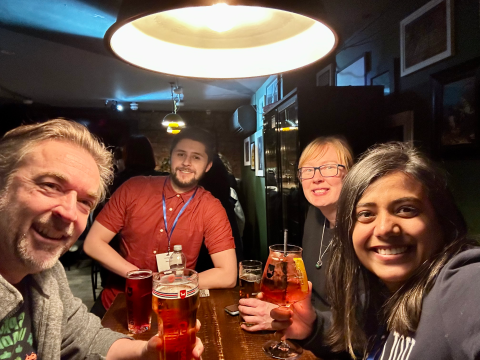
After a full day of sessions, we headed into Manchester for the evening social event at BrewDog. It provided a great opportunity to continue conversations from the day, meet new people in the Drupal community, and reflect on some of the ideas shared during the sessions in a more relaxed setting.
We’ve come back with a fresh stack of tools and modules to test. We’re already looking at how to integrate these workflows into our upcoming projects to keep delivering the most efficient, high-performance solutions for our clients. A huge thanks to the organisers and speakers for a fantastic event. We’re already looking forward to the next one!
Looking ahead
DrupalCamp England 2026 was a great event and a reminder of the strength of the Drupal community. A big thank you to the organisers, speakers, and everyone who helped make the event possible.
Angela, March 2026